
Standfirst: Spain beyond the obvious: village life, food traditions, cultural etiquette, and historical layers that still shape daily routines.
Spain is easy to oversimplify, but regional identity changes quickly from one area to another. Language, mealtime rhythm, architecture, and social customs can shift within a short train ride. This guide focuses on village and small-town character, not just landmark collecting. Flights: compare flights.
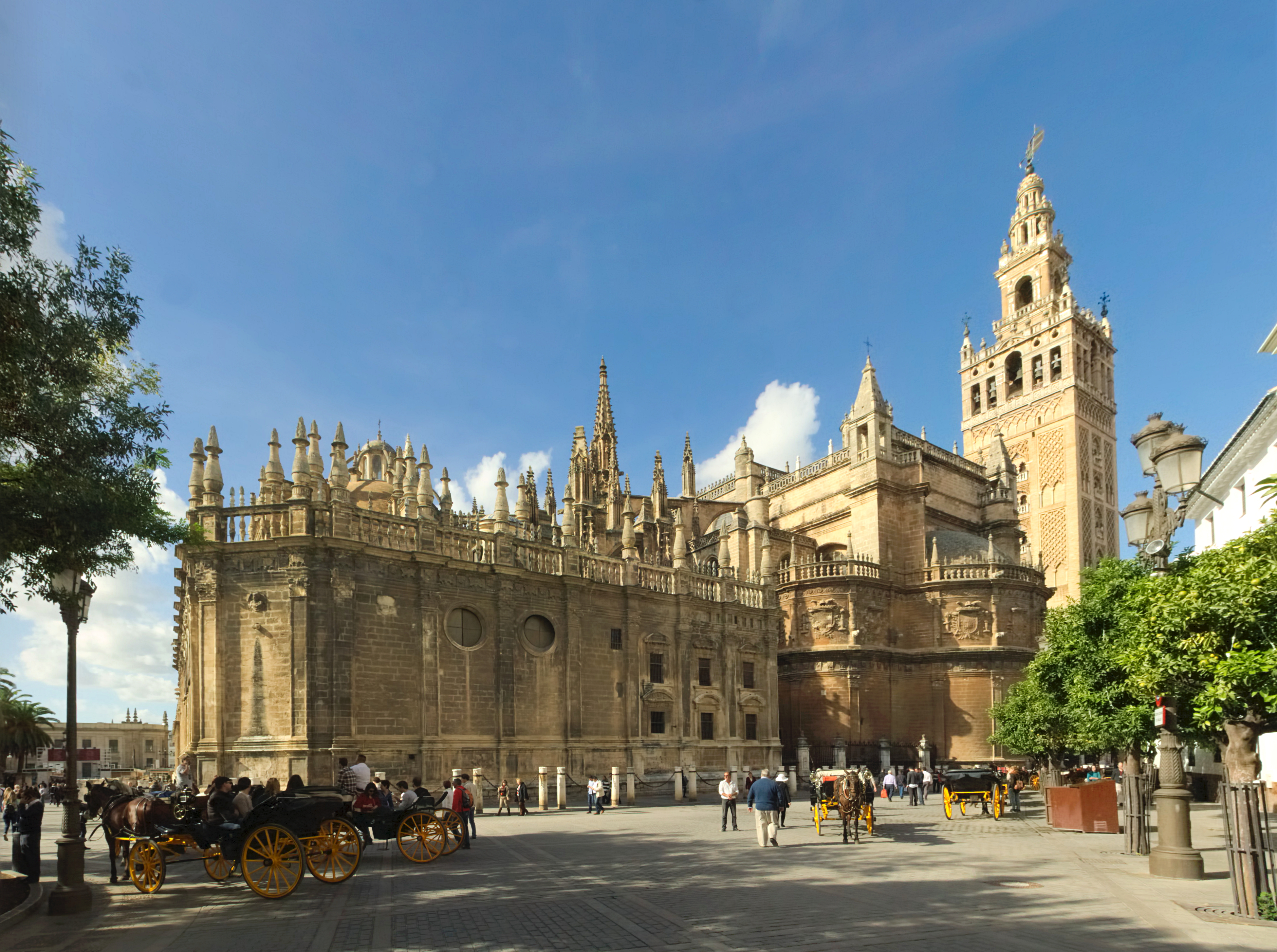
1) Morning square culture

Village plazas are social infrastructure: coffee, errands, school runs, and local news exchange all happen there. Spend time observing before moving on.
2) Food beyond paella stereotypes

Regional cuisine is highly local—pintxos in the north, olive-oil and vegetable depth in the south, strong pork and seafood variation by province. Ask for local staples, not globalized menu items.
3) Craft and family businesses

Small workshops and family bars often carry decades of continuity. Buying from them supports local economies directly and gives better cultural context than chain-heavy zones.
4) History on the streetline

Moorish, Roman, and later Christian phases are visible in street geometry, façades, and church-mosque-adjacent urban layers. Walking tours become richer when you connect those periods.
5) Time culture matters

Meal timing, afternoon pauses, and later evening social life can surprise first-time visitors. Aligning with local timing improves both food quality and interaction quality.
6) What is changing now
Regional rail links and digital-nomad stays are redistributing visitor flows. Some smaller towns now have better infrastructure but still maintain local character.
7) Build depth, not speed

Choose fewer villages and stay longer. One deep day with food, conversation, and local history beats three rushed photo stops.

Spain rewards travelers who pay attention to regional nuance. The country is not one style—it is many cultures sharing one map.