
Standfirst: A broader Italy guide where destinations are framed through people, regional food identity, living history, and what modern travel has changed.
Italy is not one travel product. It is a patchwork of regional identities where dialect, table culture, architecture, and daily routine shift from city to city. To travel well here, pair iconic places with local context: who lives there, what they cook, and how the place evolved. Flights: book flights here.
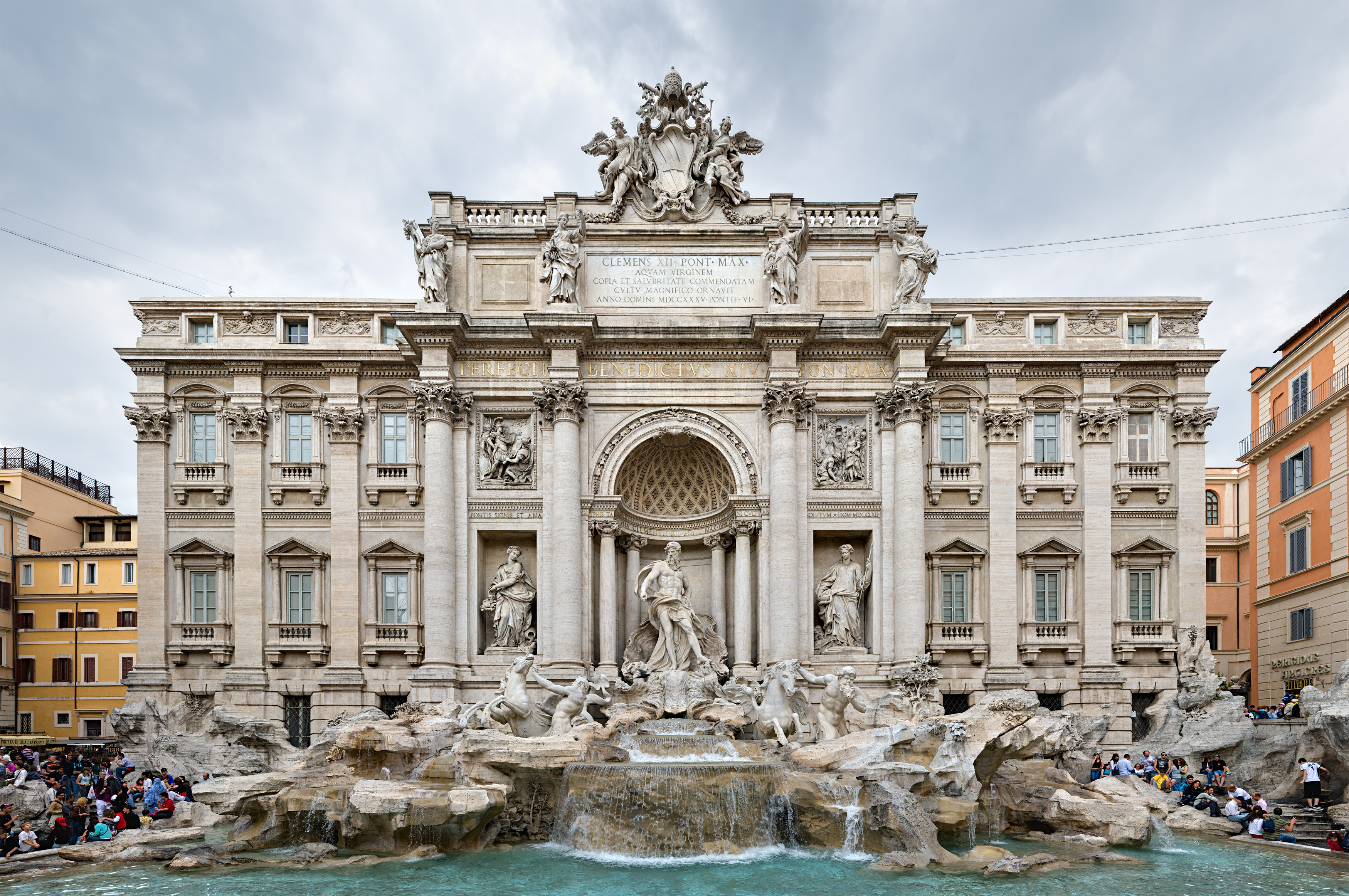
1) Rome: ancient layers in a modern city

Walkable historical density meets contemporary neighborhood life in markets and side streets.
2) Bologna: food craft and student energy

A city where pasta traditions and academic culture shape daily rhythm.
3) Amalfi Coast: beauty plus logistics

Stunning views, but timing and transport planning matter to avoid stress.
4) Florence: art plus artisan districts

Look beyond museum queues to workshops and neighborhood craft culture.
5) Naples: intensity and culinary identity

Street life and food heritage are central, not side attractions.
6) Turin: elegant and underrated

Coffee houses, arcades, and industrial history create a different Italian mood.
7) Lecce: baroque south and slower pace

Stone architecture and evening social life make this a strong cultural stop.
8) Verona: beyond the postcard romance

Roman remains and active local neighborhoods coexist in compact scale.
9) Palermo: layered Mediterranean history

Arab-Norman legacies, markets, and migration stories shape the city today.
10) Trieste: borderland character

Central European influence, seafront life, and literary café culture set it apart.

Italy is best experienced region by region. The more you slow down and ask local questions, the more distinct each destination becomes.