Standfirst: A spring route with more than scenery: local behavior, food culture, historical context, and how contemporary Japan is evolving.
Spring in Japan is often reduced to cherry blossoms, but the deeper experience is social rhythm: precise transit culture, neighborhood etiquette, and seasonal food rituals. This route from Tokyo toward Kyoto is designed to include place, people, and practical context. Flights: compare fares.
Tokyo shows contemporary Japan’s speed, precision, and constant reinvention.
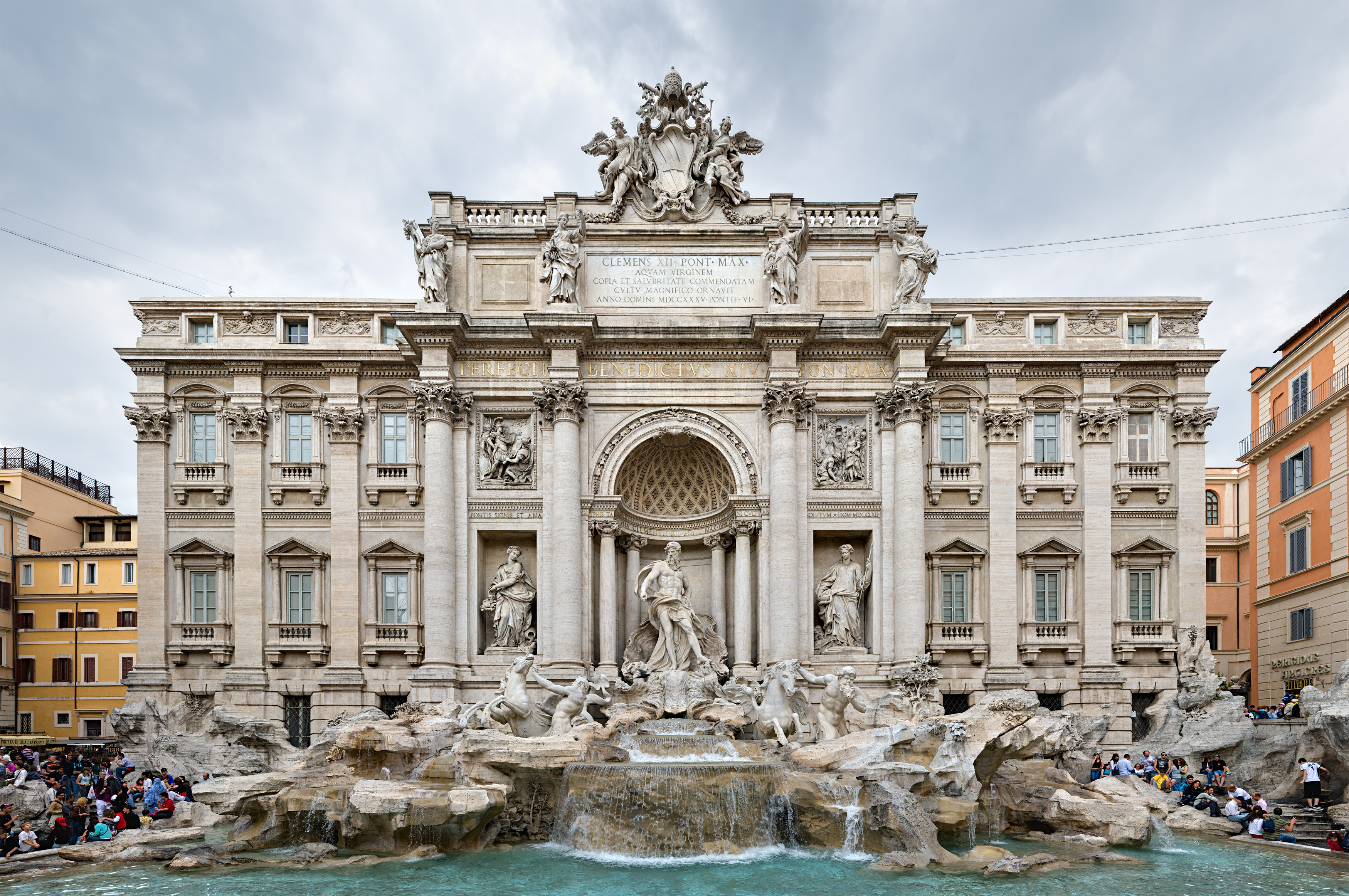
Standfirst: A broader Italy guide where destinations are framed through people, regional food identity, living history, and what modern travel has changed.
Italy is not one travel product. It is a patchwork of regional identities where dialect, table culture, architecture, and daily routine shift from city to city. To travel well here, pair iconic places with local context: who lives there, what they cook, and how the place evolved. Flights: book flights here.
Italy’s famous sights are entry points; regional culture is the real depth.
Beyond the world‑famous Alps, Switzerland holds a wealth of lesser‑known treasures. From quiet alpine lakes to family‑run cheese farms, these hidden spots offer a more intimate taste of Swiss life. Below you’ll find five carefully chosen destinations that deserve a place on your travel list.
1. The Secret Lake of St. Gallen – Sternsee
Located in the Appenzell region, Sternsee is a tiny, unnamed lake that locals cherish. A one‑hour walk from the village takes you past ancient pine groves, and the crystal‑clear water lets you see stone beds and fish below. It’s the perfect spot for a reflective picnic under the stars.
Appenzell’s Aromi cheese has been crafted by the same family for over four centuries. The family’s dairy, tucked away near Heiden, is not open to the public, but a short drive from Gais brings you to a farm‑to‑table tasting that showcases this rare delicacy.
While Interlaken is known for adventure sports, the Schwarzwasser Thermal Spa offers mineral‑rich hot springs and a panoramic view of the Jungfrau. A quiet private room is ideal after a day of hiking.
The Rigi Railway’s historic Rigi Rittal station, situated near a lake, provides a scenic, relaxed ride up to Rigi peak. Sunrise from the top offers spectacular light and views.
Every first Sunday of the month, Bern’s hidden courtyard of Kramgasse opens its doors. The market features vintage items, handmade crafts, and regional food stalls that locals love.
Each of these destinations offers a unique perspective on Swiss culture—quiet, authentic, and far from the usual tourist trail. Whether you’re looking for a serene lake, a taste of heritage cheese, or a quiet mountain spa, Switzerland’s hidden gems are waiting to be discovered.
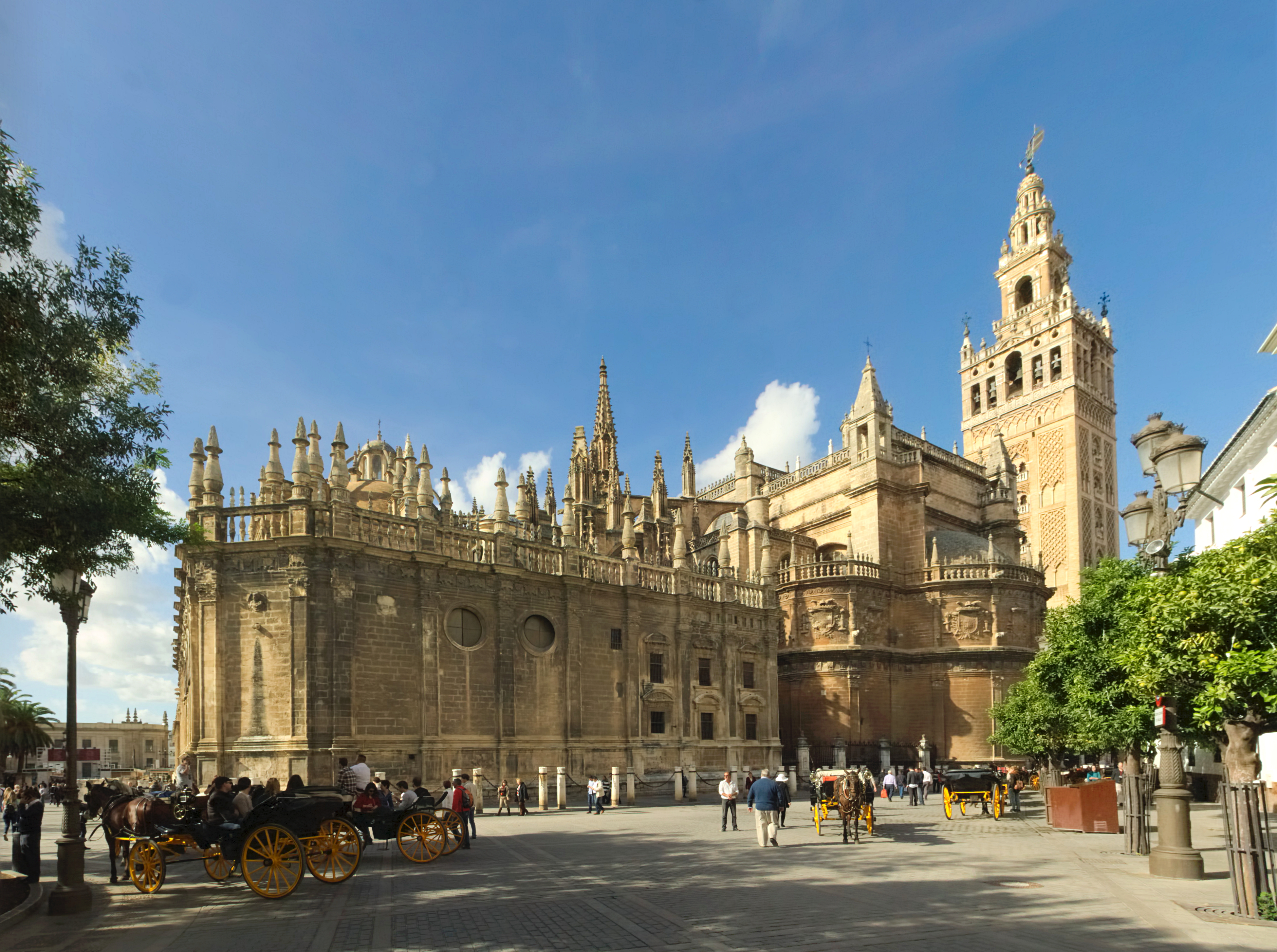
Standfirst: Spain beyond the obvious: village life, food traditions, cultural etiquette, and historical layers that still shape daily routines.
Spain is easy to oversimplify, but regional identity changes quickly from one area to another. Language, mealtime rhythm, architecture, and social customs can shift within a short train ride. This guide focuses on village and small-town character, not just landmark collecting. Flights: compare flights.
Southern Spain shows rich historical layering in everyday urban form.
Village plazas are social infrastructure: coffee, errands, school runs, and local news exchange all happen there. Spend time observing before moving on.
Regional cuisine is highly local—pintxos in the north, olive-oil and vegetable depth in the south, strong pork and seafood variation by province. Ask for local staples, not globalized menu items.
Small workshops and family bars often carry decades of continuity. Buying from them supports local economies directly and gives better cultural context than chain-heavy zones.
Moorish, Roman, and later Christian phases are visible in street geometry, façades, and church-mosque-adjacent urban layers. Walking tours become richer when you connect those periods.
Meal timing, afternoon pauses, and later evening social life can surprise first-time visitors. Aligning with local timing improves both food quality and interaction quality.
6) What is changing now
Regional rail links and digital-nomad stays are redistributing visitor flows. Some smaller towns now have better infrastructure but still maintain local character.
Standfirst: A Greece guide that goes beyond postcard viewpoints: local people, island food culture, sea history, and how travel patterns are changing.
Greece is often sold as a sunset destination, but the strongest experience comes from everyday coastal life: ferry timetables, fish markets, village cafés, and island families adapting to tourism seasons. This article blends locations with social and cultural context so each stop means more than a photo. Flights: book flights.
Santorini is spectacular, but the wider coastal culture is the real story.
Come early, before cruise-day density. You will notice the architecture and caldera lines more clearly—and hear local delivery, church bells, and neighborhood routine behind the postcard scene.
Fira shifts character in the evening when day-trippers thin out. This is a better time to find family-run tavernas and longer meals instead of rush-hour tourism.
Greek coastal food is not one style: island tomato dishes, seafood meze, and olive-oil-centered cooking vary by micro-region. Ask for house specialties and seasonal fish to avoid generic tourist menus.
Ports, boat maintenance yards, and harbor neighborhoods show how deeply seafaring shapes local identity. Even modern tourism routes follow older trade and migration patterns.
Hospitality culture is strong, but pacing matters. A greeting, patience at busy times, and respect for local tempo usually leads to warmer interactions and better recommendations.
6) What has changed recently
Shoulder-season travel is growing, remote work stays are longer, and islands are balancing visitor demand with infrastructure limits. Booking transport early matters more than before.
7) Build a smarter route
Mix one iconic stop with two quieter coastal towns. That structure keeps energy balanced and gives space for conversation, food discovery, and unscripted moments.
Fira shows how tourism and local routine coexist on the island.
The best Greek coastal trips combine sea views with people and culture. Keep your schedule flexible and let local advice shape each day.
We use cookies to ensure that we give you the best experience on our website. If you continue to use this site we will assume that you are happy with it.
You can revoke your consent any time using the Revoke consent button.