You’ve been planning your Spain trip all wrong! Most visitors rush from Madrid to Barcelona to the coast, missing the country’s soulful interior. These are the 7 secret Spanish towns that will transform your food and history journey—most travelers miss #4.
Cadaqués: The Artist’s Haven on the Costa Brava Secret Spanish Towns
A picturesque whitewashed town that inspired Dalí, Picasso, and Miró with its light and charm.
Wander the cobblestone streets of the old town, pastel-colored houses bougainvillea-draped
Visit the Casa-Museo Salvador Dalí in nearby Port Lligat, the artist’s eccentric home
Eat at family-run restaurants serving suquet de peix (fish stew) and anchovies in salt
Take the coastal path to Cape Creus for breathtaking Mediterranean views
Ronda: The Town on the Edge of a Dramatic Gorge Secret Spanish Towns
Perched above the El Tajo gorge, this town blends Moorish history with breathtaking views.
Walk across the Puente Nuevo, the stunning 18th-century bridge spanning the gorge
Explore the ancient Arab baths, among the best-preserved in Spain
Visit the Plaza de Toros, one of the oldest bullrings in the country
Sample the local jamón serrano and wine from the surrounding vineyards
Úbeda and Baeza: The Renaissance Twin Towns of Andalusia Secret Spanish Towns
A UNESCO World Heritage site where Italian Renaissance architecture meets Andalusian charm.
Explore the monumental Vázquez de Molina Square in Úbeda, surrounded by palaces
Visit the Sacra Capilla del Salvador, a funerary chapel with intricate plateresque details
Stroll through Baeza’s historic center, home to the stunning Cathedral of the Natividad
Taste the local olive oil, considered some of the best in the world
Frígiliana: The Whitewashed Jewel of the Axarquía Secret Spanish Towns
A Moorish-era town with narrow, cobbled streets and stunning views of the Mediterranean.
Wander the Barrio Alto, the old Moorish quarter with its intricate street layout
Visit the Iglesia de San Antonio, a 16th-century church with a beautiful Mudéjar ceiling
Try the local vino dulce and raisins produced in the surrounding vineyards
Take the coastal walk to Nerja for stunning views and hidden coves
Cuenca: The Hanging Houses of Castilla-La Mancha Secret Spanish Towns
A medieval town where houses literally cling to the edge of a deep gorge.
Marvel at the Casas Colgadas, the iconic hanging houses over the Huécar River
Visit the Museo de Arte Abstracto Español, housed in the hanging houses
Explore the medieval castle and the Gothic cathedral
Sample the local manchego cheese and wine from the La Mancha region
Alcalá del Júcar: The Town Built into a Canyon Secret Spanish Towns
A unique settlement where homes are carved into the canyon walls along the Júcar River.
Explore the cave houses, some still inhabited, others turned into museums and restaurants
Visit the castle that overlooks the town, offering panoramic views of the canyon
Walk along the river and see the old mills and bridges
Try the local gazpacho manchego and the sweet migas ruleras
Peñíscola: The Castle on the Sea Secret Spanish Towns
A stunning seaside town dominated by a Templar castle perched on a rocky headland.
Walk the walls of the Castillo de Peñíscola, once home to Pope Benedict XIII
Relax on the beautiful beaches on either side of the castle peninsula
Visit the charming old town with its narrow streets and whitewashed houses
Sample the local arroz a banda and other rice dishes typical of the Valencia region
You’ve been planning your France trip all wrong! Most visitors flock to Paris, Provence, and the Côte d’Azur, missing the country’s true hidden charm. These are the 5 hidden villages in France that feel like stepping into a storybook—most tourists never find them.
Éguilles
A medieval hilltop village in Provence with sweeping views and zero tourist crowds.
Park below the village and walk up the ancient stone pathway
Visit the 12th-century church with its original Romanesque frescoes
Have lunch at the tiny café that serves only 20 meals per day
Explore the weekly market held every Thursday morning in the main square
Saint-Cirq-Lapopie
Clinging to a cliff above the Lot River, this village inspired countless artists.
Walk the Rue de la Pelisserie, the main medieval street lined with artisan shops
Visit the Rignault Museum for breathtaking views over the river valley
Take the boat trip from Cahors to see the village approach from the water
Stay overnight to experience the village after day-trippers leave
Riquewihr
An Alsatian wine village that looks untouched since the 16th century.
Visit during harvest season (September) to see the grape-picking traditions
Follow the wine trail that connects family-owned vineyards for tastings
Explore the Musée de la Gueule de Loup detailing local history
The Christmas market here is magical but visit early December to avoid crowds
Beynac-et-Cazenac
A Dordogne village dominated by a magnificent cliff-top castle.
Tour the Château de Beynac, one of the best-preserved feudal castles in France
Take the gabarre boat ride along the Dordogne for unique village views
Walk the chemin de ronde (rampart walk) for panoramic countryside views
The village has resisted modernization, keeping its authentic character
Pégomas
A hidden Provençal village between Cannes and Grasse known for its mimosa forests.
Visit in January-February when the mimosa trees bloom yellow
Follow the Route du Mimosa connecting eight villages in the massif
Explore the old pottery quarter where artisans still work using traditional methods
The Sunday market features local producers selling olive oil, honey, and herbs
You’ve been planning your Thailand trip all wrong! Most visitors rush from beach to beach, missing the country’s true cultural essence. These are the 5 BEST hidden adventures in Thailand that will transform your trip and give you the deep connection you’re seeking.
1️⃣ A Breakfast in Chiang Mai’s Old City
Start your day at Wang Daeng, a local breakfast stall that serves khao soi—a coconut‑cream curry noodle soup topped with crispy egg noodles. The aroma alone pulls you into a morning routine that locals share: early‑morning coffee, a quick chat about the weather, and a brief prayer before the day’s work.
While the chef ladles your bowl, ask about the origin of the recipe. You’ll learn that the dish, originally from Northern Thailand, has been adapted by generations of street vendors. This simple conversation turns a meal into a cultural lesson.
2️⃣ A Hidden Temple in Bangkok’s Riverside
Skip the usual temples and wander to Wat Ratchabophit, tucked beside the river. The golden chedi’s intricate mosaics whisper stories of royal patronage. Here, the locals gather at dusk to light incense and chant softly—a quiet, meditative experience that’s rarely captured on social media.
While there, strike up a conversation with a nearby monk. Ask him about the temple’s role in modern Bangkok life. He’ll share how monks now run community outreach programs, bridging tradition and contemporary social needs.
3️⃣ Night Market Tales in Phuket
Evenings in Phuket are a sensory overload—sniffing grilled satay, listening to cicadas, and feeling the sea breeze. But beyond the stalls, talk to a street‑food vendor. Learn how he sourced his fish from a local fisherman’s small net, keeping the chain short and sustainable. This insight highlights the region’s commitment to preserving local culinary heritage.
4️⃣ The Rural Life of Isan
Take a day trip to Khon Kaen and discover the heart of Isan. Visit a family‑run homestay, watch rice paddies being harvested, and learn about the “khao soi” tradition that spreads across the northeast. The gentle rhythm of daily life offers a stark contrast to Thailand’s bustling tourist hubs.
5️⃣ Closing Reflections
Thailand is far more than pristine beaches. From breakfast stalls and hidden temples to night markets and rural farms, each experience offers a different lens on life. The key is to follow the locals’ rhythms, ask questions, and stay open to unexpected stories. When you return, you’ll carry not just memories, but a deeper understanding of a country that is continually evolving.
Ready to dive deeper into Thailand? Find flight deals now and start planning your off‑beat adventure.
Beyond the world‑famous Alps, Switzerland holds a wealth of lesser‑known treasures. From quiet alpine lakes to family‑run cheese farms, these hidden spots offer a more intimate taste of Swiss life. Below you’ll find five carefully chosen destinations that deserve a place on your travel list.
1. The Secret Lake of St. Gallen – Sternsee
Located in the Appenzell region, Sternsee is a tiny, unnamed lake that locals cherish. A one‑hour walk from the village takes you past ancient pine groves, and the crystal‑clear water lets you see stone beds and fish below. It’s the perfect spot for a reflective picnic under the stars.
Appenzell’s Aromi cheese has been crafted by the same family for over four centuries. The family’s dairy, tucked away near Heiden, is not open to the public, but a short drive from Gais brings you to a farm‑to‑table tasting that showcases this rare delicacy.
While Interlaken is known for adventure sports, the Schwarzwasser Thermal Spa offers mineral‑rich hot springs and a panoramic view of the Jungfrau. A quiet private room is ideal after a day of hiking.
The Rigi Railway’s historic Rigi Rittal station, situated near a lake, provides a scenic, relaxed ride up to Rigi peak. Sunrise from the top offers spectacular light and views.
Every first Sunday of the month, Bern’s hidden courtyard of Kramgasse opens its doors. The market features vintage items, handmade crafts, and regional food stalls that locals love.
Each of these destinations offers a unique perspective on Swiss culture—quiet, authentic, and far from the usual tourist trail. Whether you’re looking for a serene lake, a taste of heritage cheese, or a quiet mountain spa, Switzerland’s hidden gems are waiting to be discovered.
Standfirst: Spain beyond the obvious: village life, food traditions, cultural etiquette, and historical layers that still shape daily routines.
Spain is easy to oversimplify, but regional identity changes quickly from one area to another. Language, mealtime rhythm, architecture, and social customs can shift within a short train ride. This guide focuses on village and small-town character, not just landmark collecting. Flights: compare flights.
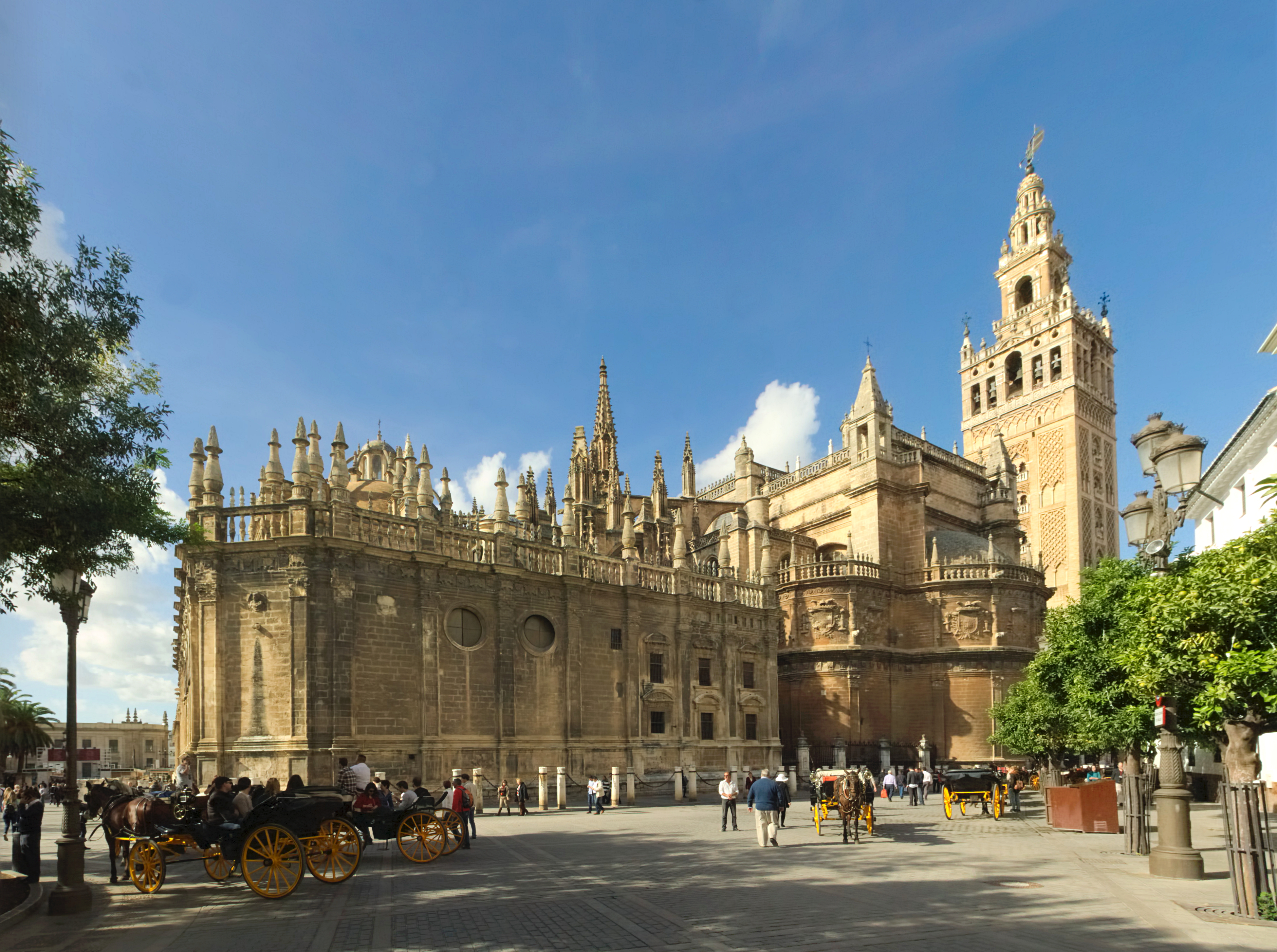
Southern Spain shows rich historical layering in everyday urban form.
Village plazas are social infrastructure: coffee, errands, school runs, and local news exchange all happen there. Spend time observing before moving on.
Regional cuisine is highly local—pintxos in the north, olive-oil and vegetable depth in the south, strong pork and seafood variation by province. Ask for local staples, not globalized menu items.
Small workshops and family bars often carry decades of continuity. Buying from them supports local economies directly and gives better cultural context than chain-heavy zones.
Moorish, Roman, and later Christian phases are visible in street geometry, façades, and church-mosque-adjacent urban layers. Walking tours become richer when you connect those periods.
Meal timing, afternoon pauses, and later evening social life can surprise first-time visitors. Aligning with local timing improves both food quality and interaction quality.
6) What is changing now
Regional rail links and digital-nomad stays are redistributing visitor flows. Some smaller towns now have better infrastructure but still maintain local character.
Standfirst: Paris is more than monuments: this guide blends hidden streets with local people, food culture, history, and what has changed in recent years.
If you only do the headline landmarks, Paris can feel crowded and predictable. But the city becomes much richer once you slow down and move through lived neighborhoods—where bakers know regulars by name, markets shape daily menus, and old architecture is still used, not just admired. This route keeps the “7 secret corners” promise while adding the culture and context that make each stop meaningful. Flights: compare options here.
Start central, then move into smaller streets where local life takes over.
Le Marais rewards slow walking. Behind busy lanes, hidden courtyards and old hôtels particuliers reveal medieval and aristocratic Paris layered into modern daily life. Come in the morning when shops open and streets are calmer, then pause in a local bakery before the area fills up.
At the canal, the mood is less monumental and more contemporary neighborhood life. You will see students, remote workers, and local families sharing the same space at different times of day. It is ideal for understanding how Parisians actually spend casual time outside tourist zones.
Skip generic “French set menus” and build meals from market produce, cheese shops, and neighborhood bistros. Ask what is seasonal and house-made; the answer often leads to better quality and better value. In Paris, food is one of the clearest windows into culture and daily routine.
Montmartre can feel overcrowded in peak hours, but timing changes everything. Early mornings or late afternoons reveal quieter stairways, local artists setting up, and residential streets that still carry village character. The hill is not just a viewpoint—it is a neighborhood with memory.
Paris history is not only in museums. Street names, façade lines, old signage, and arcades show Roman traces, medieval structure, and 19th-century redesign in a single walk. Looking up and reading the built environment turns a simple walk into a historical map.
Recent years brought more bike lanes, pedestrian-friendly zones, and greener urban planning in several districts. For travelers, this means Paris now works better as a slow city: shorter hops, mixed transport, and more time spent on foot in human-scale streets.
7) Build your day around people, not just places
Use a flexible structure: one neighborhood walk, one food-focused stop, one cultural site, and one open slot for spontaneous detours. That balance keeps the day manageable and increases the chance of authentic moments—small conversations, local recommendations, and places you did not plan.
Paris feels most memorable when architecture, food, and local rhythm are experienced together.
Paris is at its best when you treat it as a living city rather than a museum route. Keep your pace realistic, let neighborhoods lead the story, and you will leave with richer memories than any checklist can offer.