

7 Hidden Gems in Norway Most Tourists Miss in 2026
Standfirst: From Arctic fishing villages to dramatic glacier trails, these seven Norwegian places are ideal for travelers who want strong scenery, local character, and fewer crowds.
The best days in Norway are often the ones where you leave room for detours: a small harbor you did not plan, a bakery stop in a mountain town, or a viewpoint that looks better than any photo. This guide is designed to inform and entertain, so each stop includes both atmosphere and practical context. If you are planning your route now, you can compare flight options here: Book Norway flights.
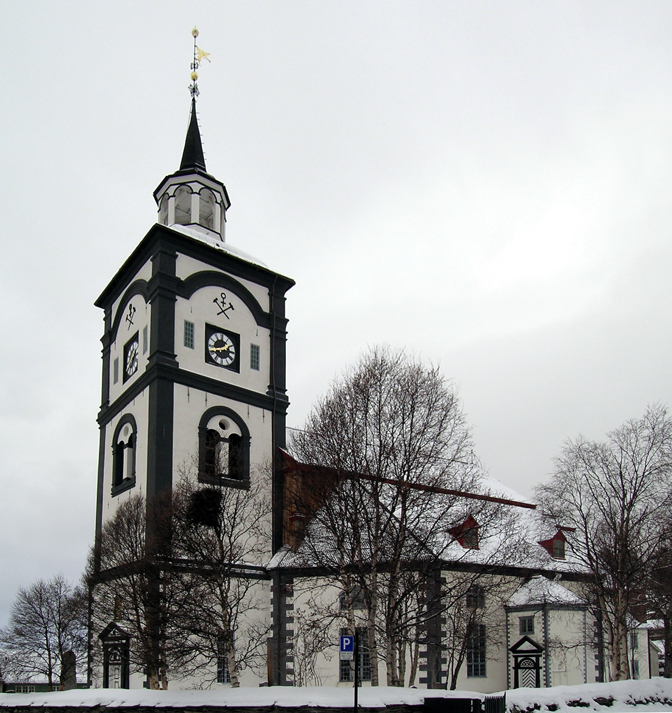
1) Røros (Trøndelag) — A living mining town of timber streets
Røros is one of those rare places that feels historical without feeling artificial. The wooden streets and old façades are beautifully preserved, but they are still part of everyday life, with small shops, workshops, and local cafés running as normal. In winter, the town becomes especially atmospheric, with snow piled against dark timber walls and warm lights in the windows. Visit the mining museum to understand how tough life once was here, then slow down and walk the side streets where local craft culture is still visible in details and storefronts.
2) Senja (Northern Norway) — Arctic drama without Lofoten crowds
Senja delivers the same jaw-dropping profile many travelers chase in Lofoten, but often with a calmer, less crowded experience. You get steep peaks rising straight from the water, scenic roads where every bend opens a new angle, and villages that still feel connected to fishing and weather rhythms. For hikers, short routes like Husfjellet can reward you with huge views without requiring expedition-level logistics. If you go in shoulder season, bring layers and expect quick weather shifts—cloud, sun, and mist can all arrive in one afternoon, and that variation is exactly what makes the island so photogenic.

3) Aurlandsdalen Valley — Norway’s classic long-hike landscape
Aurlandsdalen is perfect for travelers who want to earn their views rather than drive directly to them. The valley trail combines waterfalls, river sections, old farms, and dramatic rock walls, so the scenery changes constantly instead of repeating one postcard view. The path can be long and physically demanding, which is exactly why preparation matters: start early, carry water and food, and wear proper waterproof layers. What makes this route memorable is not just the scale, but the sensory detail—the sound of moving water, wet stone underfoot, and sudden quiet when the wind drops in sheltered sections.

4) Henningsvær (Lofoten) — A fishing village spread over tiny islands
Henningsvær is often photographed for its sea-ringed football pitch, but the deeper appeal is the harbor culture and island layout. You can spend hours just moving between bridges, watching boats unload, and seeing how daily village life sits inside dramatic mountain scenery. Local galleries and cafés make it easy to stay longer than planned, especially when the weather turns moody and the light becomes cinematic. It is one of the best places to experience how tourism, fishing heritage, and contemporary local life can exist side by side without losing character.

5) Veiholmen (Smøla) — Wind, sea, and old coastal culture
At the far edge of the coast, Veiholmen feels remote in the best possible way. The colorful houses sit close to open water, and the weather is not background scenery—it shapes daily rhythm, movement, and even how long people stay outside. This is not a destination for rushed sightseeing; it is better for travelers who enjoy maritime history, seabird life, and the atmosphere of small working communities. Spend time at the harbor, talk to locals when possible, and treat the place as a slow observation stop rather than a checklist attraction.

6) Jostedalsbreen area — Glacier viewpoints and blue-ice valleys
Near Jostedalsbreen, you feel the scale of ice landscapes in a way photos rarely capture. Short walks can already bring you close to glacier tongues, while guided tours add safe access to deeper ice environments and better context on glacial movement. Conditions can change quickly, so waterproof gear and careful timing are essential even in warmer months. Beyond the ice itself, the surrounding valleys, lakes, and farms create a powerful contrast between harsh glacial terrain and calm rural life.

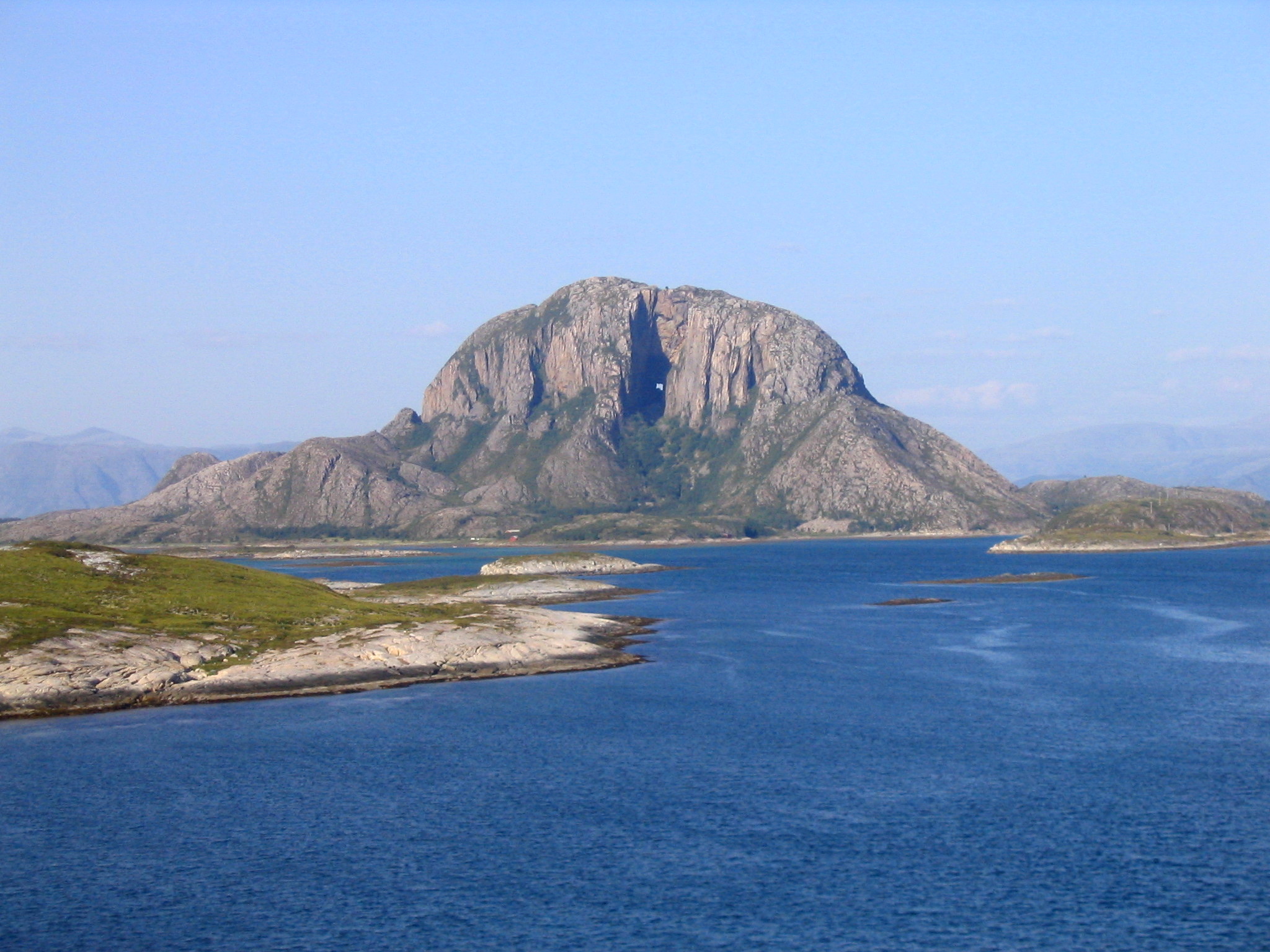
7) Helgeland Coast — Island-hopping in central Norway
The Helgeland coast is ideal for independent travelers who prefer flexible routes over fixed itineraries. With thousands of islands, frequent ferry links, and varied terrain, you can build a trip around short hikes, quiet beaches, and small communities rather than major tourist hubs. Mountain forms like Torghatten add geological interest, while local seafood and low-key harbor towns keep the experience grounded and personal. Give yourself extra buffer time here—connections are part of the adventure, and weather can turn a simple transfer into the best story of the trip.
Useful planning tips
- Best time: June to September for hiking and road access; winter for snow mood and northern lights in the north.
- Transport: A mix of rental car, ferries, and occasional domestic flights usually works best for hidden spots.
- Budget: Norway is expensive, so early booking and simple lodging choices can make a big difference.
If you travel Norway with realistic daily distances and room for weather changes, these seven places become much more than photo stops. They become a route with texture: people, climate, food, and landscape all working together. That is usually when Norway feels most unforgettable.