Standfirst: Paris is more than monuments: this guide blends hidden streets with local people, food culture, history, and what has changed in recent years.
If you only do the headline landmarks, Paris can feel crowded and predictable. But the city becomes much richer once you slow down and move through lived neighborhoods—where bakers know regulars by name, markets shape daily menus, and old architecture is still used, not just admired. This route keeps the “7 secret corners” promise while adding the culture and context that make each stop meaningful. Flights: compare options here.
Start central, then move into smaller streets where local life takes over.
Le Marais rewards slow walking. Behind busy lanes, hidden courtyards and old hôtels particuliers reveal medieval and aristocratic Paris layered into modern daily life. Come in the morning when shops open and streets are calmer, then pause in a local bakery before the area fills up.
At the canal, the mood is less monumental and more contemporary neighborhood life. You will see students, remote workers, and local families sharing the same space at different times of day. It is ideal for understanding how Parisians actually spend casual time outside tourist zones.
Skip generic “French set menus” and build meals from market produce, cheese shops, and neighborhood bistros. Ask what is seasonal and house-made; the answer often leads to better quality and better value. In Paris, food is one of the clearest windows into culture and daily routine.
Montmartre can feel overcrowded in peak hours, but timing changes everything. Early mornings or late afternoons reveal quieter stairways, local artists setting up, and residential streets that still carry village character. The hill is not just a viewpoint—it is a neighborhood with memory.
Paris history is not only in museums. Street names, façade lines, old signage, and arcades show Roman traces, medieval structure, and 19th-century redesign in a single walk. Looking up and reading the built environment turns a simple walk into a historical map.
Recent years brought more bike lanes, pedestrian-friendly zones, and greener urban planning in several districts. For travelers, this means Paris now works better as a slow city: shorter hops, mixed transport, and more time spent on foot in human-scale streets.
7) Build your day around people, not just places
Use a flexible structure: one neighborhood walk, one food-focused stop, one cultural site, and one open slot for spontaneous detours. That balance keeps the day manageable and increases the chance of authentic moments—small conversations, local recommendations, and places you did not plan.
Paris feels most memorable when architecture, food, and local rhythm are experienced together.
Paris is at its best when you treat it as a living city rather than a museum route. Keep your pace realistic, let neighborhoods lead the story, and you will leave with richer memories than any checklist can offer.
Standfirst: From Arctic fishing villages to dramatic glacier trails, these seven Norwegian places are ideal for travelers who want strong scenery, local character, and fewer crowds.
The best days in Norway are often the ones where you leave room for detours: a small harbor you did not plan, a bakery stop in a mountain town, or a viewpoint that looks better than any photo. This guide is designed to inform and entertain, so each stop includes both atmosphere and practical context. If you are planning your route now, you can compare flight options here: Book Norway flights.
Fjords, mountain walls, and changing weather are the signature mood of Norway.
1) Røros (Trøndelag) — A living mining town of timber streets
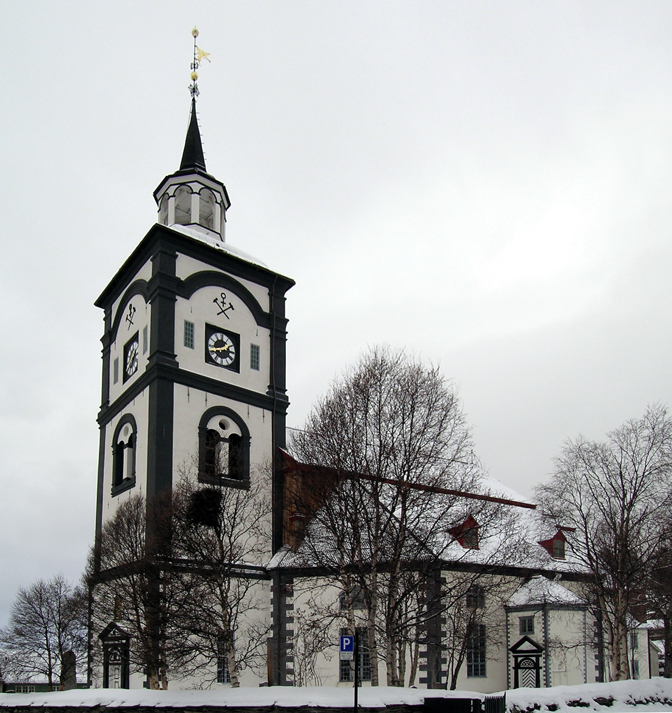
Røros is one of those rare places that feels historical without feeling artificial. The wooden streets and old façades are beautifully preserved, but they are still part of everyday life, with small shops, workshops, and local cafés running as normal. In winter, the town becomes especially atmospheric, with snow piled against dark timber walls and warm lights in the windows. Visit the mining museum to understand how tough life once was here, then slow down and walk the side streets where local craft culture is still visible in details and storefronts.
Røros is known for its historic wooden architecture and strong winter atmosphere.
2) Senja (Northern Norway) — Arctic drama without Lofoten crowds
Senja delivers the same jaw-dropping profile many travelers chase in Lofoten, but often with a calmer, less crowded experience. You get steep peaks rising straight from the water, scenic roads where every bend opens a new angle, and villages that still feel connected to fishing and weather rhythms. For hikers, short routes like Husfjellet can reward you with huge views without requiring expedition-level logistics. If you go in shoulder season, bring layers and expect quick weather shifts—cloud, sun, and mist can all arrive in one afternoon, and that variation is exactly what makes the island so photogenic.
Senja offers Arctic-scale landscapes with fewer crowds than better-known routes.
3) Aurlandsdalen Valley — Norway’s classic long-hike landscape
Aurlandsdalen is perfect for travelers who want to earn their views rather than drive directly to them. The valley trail combines waterfalls, river sections, old farms, and dramatic rock walls, so the scenery changes constantly instead of repeating one postcard view. The path can be long and physically demanding, which is exactly why preparation matters: start early, carry water and food, and wear proper waterproof layers. What makes this route memorable is not just the scale, but the sensory detail—the sound of moving water, wet stone underfoot, and sudden quiet when the wind drops in sheltered sections.
Aurlandsdalen rewards slow hiking with constant changes in terrain and mood.
4) Henningsvær (Lofoten) — A fishing village spread over tiny islands
Henningsvær is often photographed for its sea-ringed football pitch, but the deeper appeal is the harbor culture and island layout. You can spend hours just moving between bridges, watching boats unload, and seeing how daily village life sits inside dramatic mountain scenery. Local galleries and cafés make it easy to stay longer than planned, especially when the weather turns moody and the light becomes cinematic. It is one of the best places to experience how tourism, fishing heritage, and contemporary local life can exist side by side without losing character.
Henningsvær combines fishing heritage, galleries, and dramatic coastal light.
5) Veiholmen (Smøla) — Wind, sea, and old coastal culture
At the far edge of the coast, Veiholmen feels remote in the best possible way. The colorful houses sit close to open water, and the weather is not background scenery—it shapes daily rhythm, movement, and even how long people stay outside. This is not a destination for rushed sightseeing; it is better for travelers who enjoy maritime history, seabird life, and the atmosphere of small working communities. Spend time at the harbor, talk to locals when possible, and treat the place as a slow observation stop rather than a checklist attraction.
Veiholmen is a weather-shaped coastal community with a strong maritime identity.
6) Jostedalsbreen area — Glacier viewpoints and blue-ice valleys
Near Jostedalsbreen, you feel the scale of ice landscapes in a way photos rarely capture. Short walks can already bring you close to glacier tongues, while guided tours add safe access to deeper ice environments and better context on glacial movement. Conditions can change quickly, so waterproof gear and careful timing are essential even in warmer months. Beyond the ice itself, the surrounding valleys, lakes, and farms create a powerful contrast between harsh glacial terrain and calm rural life.
The Jostedalsbreen region combines glacier views with deep green valleys below.
7) Helgeland Coast — Island-hopping in central Norway
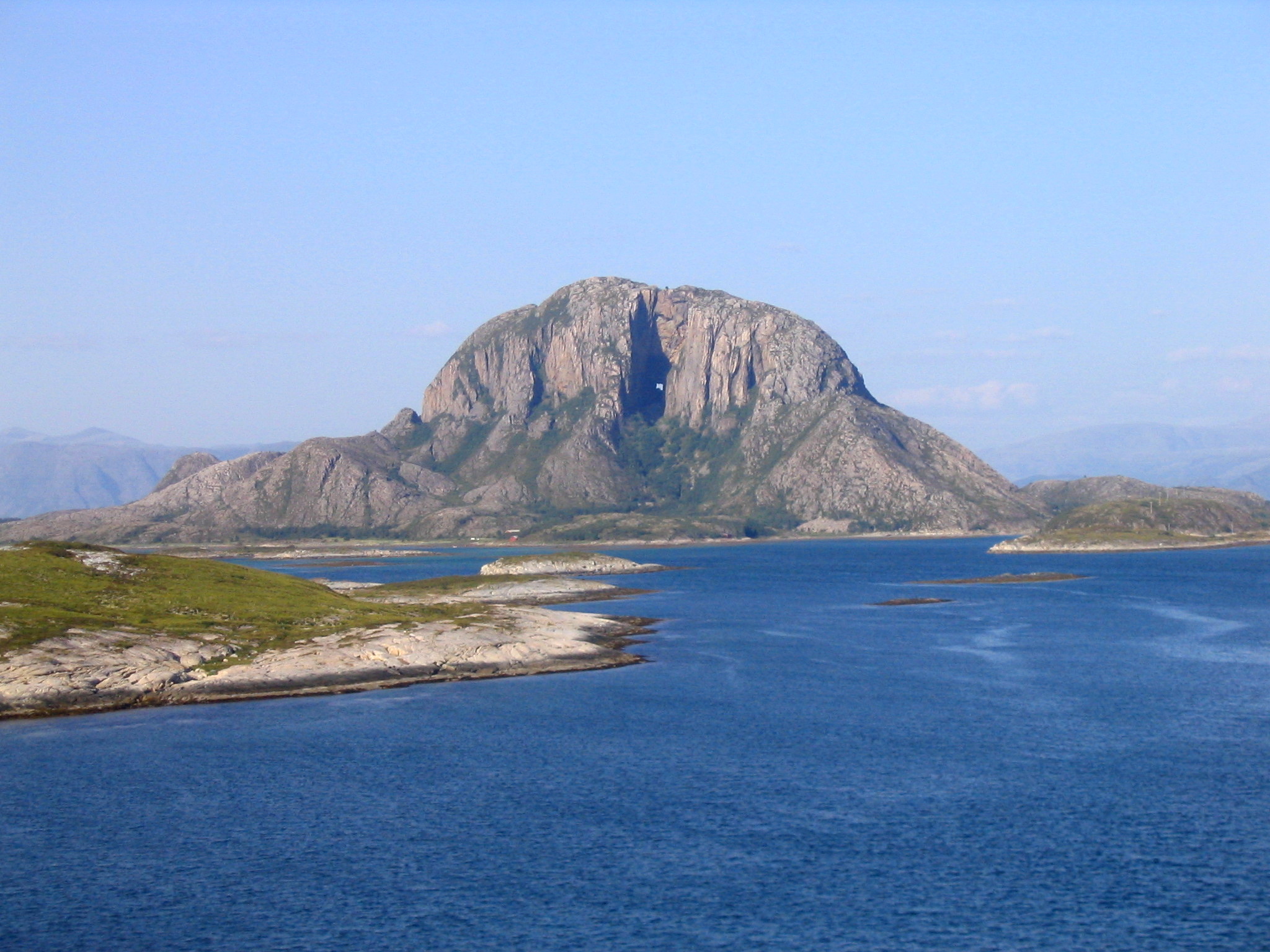
The Helgeland coast is ideal for independent travelers who prefer flexible routes over fixed itineraries. With thousands of islands, frequent ferry links, and varied terrain, you can build a trip around short hikes, quiet beaches, and small communities rather than major tourist hubs. Mountain forms like Torghatten add geological interest, while local seafood and low-key harbor towns keep the experience grounded and personal. Give yourself extra buffer time here—connections are part of the adventure, and weather can turn a simple transfer into the best story of the trip.
Helgeland’s island-hopping rhythm rewards travelers who enjoy flexible, scenic routes.
Useful planning tips
Best time: June to September for hiking and road access; winter for snow mood and northern lights in the north.
Transport: A mix of rental car, ferries, and occasional domestic flights usually works best for hidden spots.
Budget: Norway is expensive, so early booking and simple lodging choices can make a big difference.
If you travel Norway with realistic daily distances and room for weather changes, these seven places become much more than photo stops. They become a route with texture: people, climate, food, and landscape all working together. That is usually when Norway feels most unforgettable.
We use cookies to ensure that we give you the best experience on our website. If you continue to use this site we will assume that you are happy with it.
You can revoke your consent any time using the Revoke consent button.